Protecting ECU boards from humidity with coatings
Conformal coating protects the circuit boards of a vehicle's electronic control units (ECUs) from moisture, salt spray and vibration. It is a thin protective layer, yet it determines the reliability of electronics in the harsh automotive environment.
A modern vehicle can contain anywhere from 70 to more than 100 ECUs, controlling everything from the engine and ABS brakes to driver assistance systems. Many ECUs are located in the engine bay, under the vehicle or inside the doors, where they are exposed to condensation, dirt and large temperature swings between day and night.
Types of conformal coating
| Type | Typical thickness | Advantages | Limitations |
|---|---|---|---|
| Acrylic | 25–75 µm | Easy to apply, easy to rework | Poor solvent resistance |
| Silicone | 50–200 µm | Heat resistant up to 200°C, flexible | Difficult to rework, may affect contacts |
| Polyurethane | 25–75 µm | Chemical and abrasion resistant | Difficult to remove |
| Fast-curing UV coating | 50–250 µm | Cures in seconds, solvent-free | Requires a secondary cure mechanism in shadow areas |
Automotive-specific requirements
ECU coatings must pass thermal shock testing of hundreds to thousands of cycles from -40°C to 125°C, salt spray testing and damp heat testing at 85°C, 85% RH for 1,000 hours. The coating must not crack, peel or form bubbles after these tests.
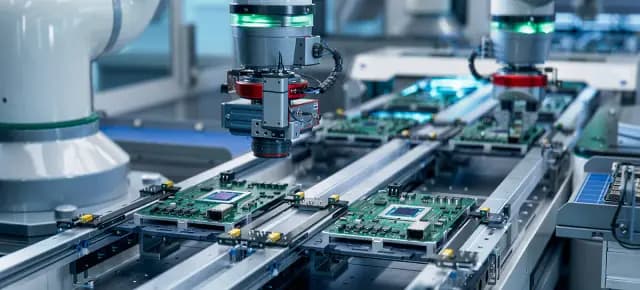
The coating process on the production line
- Clean the circuit board to remove ionic flux residues.
- Apply selective coating by robot, avoiding connectors and test points.
- Cure by heat, moisture or UV depending on the material.
- Inspect coverage under UV light using a fluorescent tracer.
UV-curing coatings with a secondary moisture cure mechanism are gaining popularity because they shorten cycle time, eliminate solvents and reduce curing oven floor space.
Common defects
- Thin coating at component lead edges, easily creating leakage paths.
- Air bubbles under tall components.
- Coating encroaching on connectors and causing poor contact.
Circuit board design also has a major impact on coating quality. Grouping connectors and test points on one side makes selective robotic coating easier and reduces the need for manual masking. Tall components should have enough clearance for the material to flow underneath. Early communication between circuit design engineers and coating process engineers helps avoid many defects that are difficult to fix in mass production.
Periodically measuring coating thickness on accompanying test coupons helps maintain consistent quality.
For advice on choosing protective coatings for ECU circuit boards, please contact AMS Vietnam.