Structural adhesives for lightweight car bodies
Structural adhesives make it possible to join aluminum, steel and composites without welding, reducing body weight while maintaining stiffness and crash performance. This technology is becoming increasingly common on new-generation vehicles.
A modern car body is a combination of many materials: high-strength steel in the safety cage, aluminum in the hood, doors and battery enclosure, and composites in some exterior panels. Joining dissimilar materials using traditional methods poses many obstacles, and structural adhesives have become the answer.
Common structural adhesive types
One-part epoxy
Heat-cured in the paint oven at about 160–180°C, delivering shear strength above 25 MPa and high impact resistance thanks to rubber modification. Widely used for body-in-white structures.
Two-part epoxy and polyurethane
Cure at room temperature, making them suitable for module assembly, battery enclosures and body repair.
Structural acrylic
Cures quickly and bonds well to surfaces with light oil contamination, making it suitable for bonding composites and engineering plastics.
| Adhesive type | Shear strength | Elongation | Cure time |
|---|---|---|---|
| 1K epoxy | 25–35 MPa | 5–10% | 20–30 minutes at 170°C |
| 2K epoxy | 20–30 MPa | 3–8% | 24 hours at 23°C |
| 2K polyurethane | 10–20 MPa | 50–150% | 4–24 hours |
| Structural acrylic | 15–25 MPa | 10–40% | 10–30 minutes |
Combining adhesives with mechanical fastening
In practice, many automakers use adhesives in combination with spot welding or self-piercing rivets. The adhesive handles load transfer and sealing, while the mechanical joint holds the part in place before the adhesive cures and improves peel resistance in a crash.
Process requirements
- Bond line thickness must be controlled, typically between 0.2 and 0.5 mm.
- Aluminum surfaces are treated with a conversion coating to improve long-term durability.
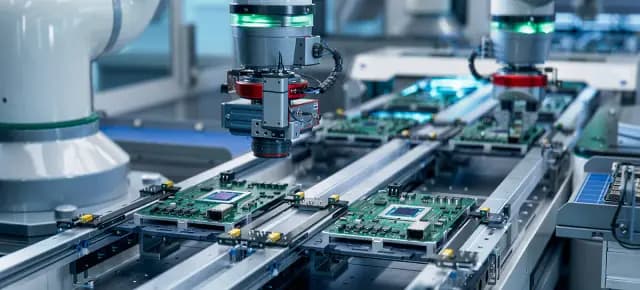
- Dispensing robots use camera monitoring to inspect the bead profile.
In body repair shops, two-part structural adhesives are also increasingly common when replacing side panels, roofs or aluminum parts. Automakers usually specify the adhesive type and repair procedure clearly, so technicians must follow the instructions to ensure crash performance equal to the original vehicle. Dual-cartridge packs with static mixing nozzles make application convenient, reduce mix ratio errors and limit material waste.
Storing adhesives at the recommended temperature and letting them reach room temperature before use also helps produce a more uniform bead.
To learn more about structural adhesives for your car body project, please contact AMS Vietnam.