ISO 10993 medical adhesives for disposables
ISO 10993 biocompatible medical UV adhesives are used to bond needles, tubing, connectors and disposable infusion sets. The adhesive cures in seconds under UV light, producing sealed, durable bonds that are safe for contact with the human body.
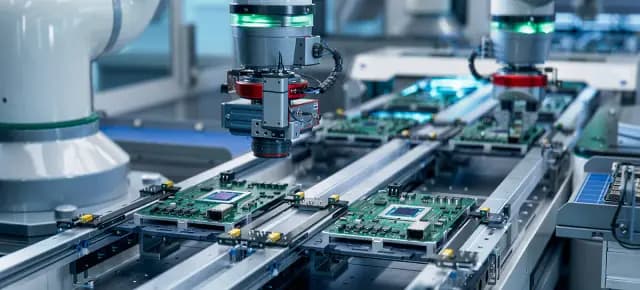
Disposable medical devices are produced in volumes of millions of units per month, so the adhesive must not only meet biocompatibility standards but also suit high-speed automated lines.
What ISO 10993 means for adhesives
The ISO 10993 series of standards evaluates the biocompatibility of materials that come into contact with the body. For adhesives, common tests include cytotoxicity, irritation, sensitization and acute systemic toxicity. Medical-grade adhesives are tested by the manufacturer on fully cured samples, so the plant must ensure cure conditions exactly as recommended for the results to remain valid.
Typical applications
- Bonding stainless steel needles into plastic hubs in syringes and blood collection needles.
- Bonding PVC tubing to polycarbonate connectors in infusion sets.
- Bonding filter membranes and drip chambers.
- Assembling breathing masks, humidifier chambers and anesthesia connectors.
Advantages of UV curing
UV adhesives only harden when exposed to light, giving workers enough time to align parts. A cure time of 1–5 seconds keeps the line running continuously, with no need for curing ovens or holding areas. Many grades contain a fluorescent agent, allowing cameras to automatically inspect the presence and position of adhesive on each product.
Notes on plastics and sterilization
Plasticized PVC, polycarbonate and ABS have different UV transmission, so the light transmission of each part must be checked. The adhesive must also retain adhesion after sterilization by ethylene oxide, gamma radiation or electron beam, depending on the plant's process.
Evaluation steps before switching adhesives
- Test bond pull strength before and after sterilization and after accelerated aging.
- Perform pressure leak testing according to product requirements.
- Verify the intensity and wavelength of the UV lamps on the line.
- Keep the adhesive's ISO 10993 and USP Class VI certification records on file.
UV lamp intensity should be monitored daily with a radiometer, as bulbs degrade over time and will cause incomplete cure. Under-cured adhesive not only reduces bond strength but can also invalidate the certified biocompatibility results.
AMS distributes medical UV adhesives from Dymax and Henkel Loctite, and provides lamp intensity measurement and on-site sample trials. Contact AMS Vietnam for detailed advice.